
Half a Million Home Batteries Installed. Here's Why We'll Happily Lose a Sale.
Australia's home battery boom is well and truly here. More than half a million homes and businesses have now installed a battery under the federal Cheaper Home Batteries Program. That's great news for power bills and for the grid.
The less comfortable news is what the regulator is finding when it looks behind the switchboard.
What the inspections found
The Clean Energy Regulator inspected 3,425 battery installations across Australia, and published the results in August 2026:
62% were rated substandard: safe to operate, but not installed to the required standard
Just under 1% were rated unsafe
Only 37% were rated adequate
The most common problems weren't dramatic. Missing or incorrect warning labels at the switchboard. Backed-up circuits labelled wrongly. No sign telling firefighters there's a battery on site. Next came wiring issues, including safety switches (RCDs) set up incorrectly and not enough protection on inverter circuits.
None of that makes headlines. All of it matters on the day an electrician or a firefighter walks into your home.
Backup power that doesn't actually back you up
Nearly every battery sold today comes with the promise of backup power. But backup is a design decision, not a feature you get by default. It depends on which circuits are connected, whether your home is single or three phase, and what the system can really run during an outage.
We regularly meet Adelaide homeowners, especially on three-phase power, who thought they had whole-home backup and found out in a blackout that they didn't. Before we install anything, we show you exactly which circuits stay on and what they'll run, in writing.
The cheapest quote isn't always the cheapest outcome
Some budget battery products are currently facing suspension from the Clean Energy Council's approved list because their certification paperwork isn't in order. A suspended product can't be installed with the federal battery rebate, which leaves buyers and installers in limbo.
A battery is bolted to your home and wired into your switchboard for 10 years or more. Price matters, but it shouldn't be the only thing that matters.
Our rule: if we wouldn't put it in our own home, we won't put it in yours
Customers sometimes come to us having already picked a battery, often because it came with the lowest price. We'll always talk it through with you. But if it's a product we wouldn't install in our own homes, we won't install it in yours.
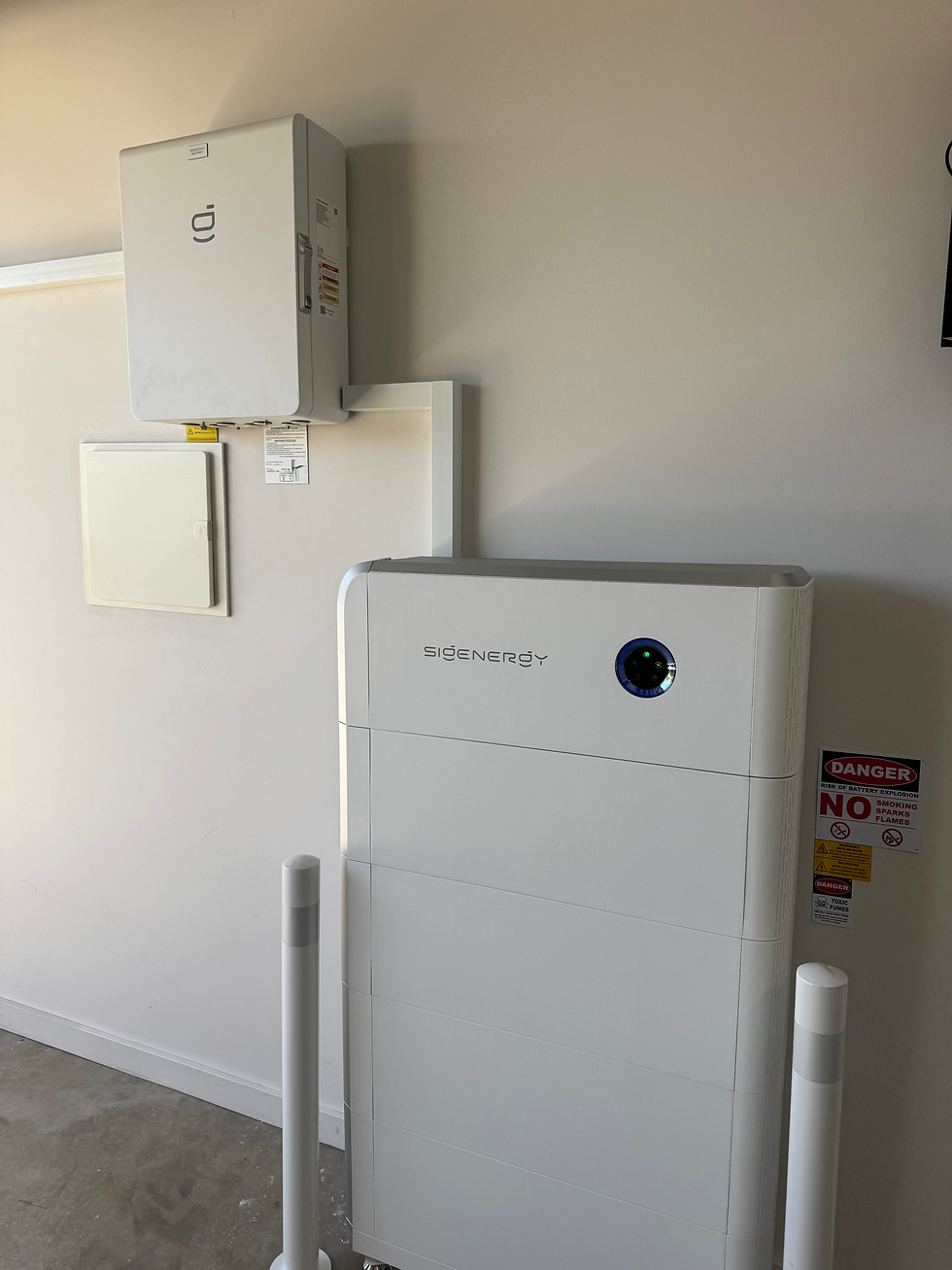
We would rather lose the sale than put the Twilight name on something we don't trust. That's why Sigenergy is our battery of choice, installed by our own licensed electricians.

Being upfront about recalls
No brand is perfect, including the ones we trust. Sigenergy has an active recall on some SigenStor EC single-phase energy controllers (8.0, 10.0 and 12.0kW), where the AC plug may overheat. The remedy is a firmware update, a free replacement unit with an improved plug and an extra two-year warranty. If you're a Twilight customer with an affected unit, we manage the whole process for you. How a manufacturer and installer handle a problem tells you a lot about them.
Six questions to ask any installer
Will your own licensed electricians do the install, or is it subcontracted?
Which circuits will be backed up, and what will run in a blackout?
Is the battery on the Clean Energy Council approved list today?
Will the switchboard and battery be fully labelled for emergency services?
If something goes wrong, who do I call, and will they pick up?
Would you put this battery in your own home?
We're here to take your call
We're a local Adelaide team, and when you call, a real person answers. Weighing up quotes? Already have a battery and not sure it was installed properly? Call us on 0417 646 510 or email admin@twilightenergy.com.au. We'll give you a straight answer, even if it means we don't get the job.
Sources: Clean Energy Regulator, Solar Battery Inspection Results Report (August 2026); Australian Government Cheaper Home Batteries Program announcements (August and September 2026); ACCC Product Safety recall PRA 2025/20703.


Comments