
Free midday power is here. Read this before you switch.
From 1 July, every South Australian retailer has to offer three hours of free electricity at midday. The headlines love it. The fine print is quieter. Here's who actually comes out ahead — and why it comes down to two things most installers never mention in the same breath.
If your inbox or Facebook feed has been shouting “FREE POWER!” at you lately, you're not imagining it. On 1 July 2026 a national reform called the Solar Sharer Offer kicked in, and every electricity retailer in South Australia, New South Wales and south-east Queensland now has to put at least one plan on the table that hands households a block of genuinely free electricity in the middle of the day.
The Solar Sharer Offer, in plain English
Free window: 12pm–3pm every day
Daily cap: up to 24 kWh of free power
Opt-in: retailers must offer it, but you choose whether to switch
You'll need: a smart meter to be eligible
Watched by: the Australian Energy Regulator (AER)
Sounds like a no-brainer, right? For some households it genuinely is. For others, it's a quietly worse deal dressed up as a gift. And the difference isn't luck — it's whether your home is actually set up to use free daytime power. That's the exact conversation we've been having with our customers for months.
The “free” bit isn't the whole story
The reason you're seeing as much anger as excitement is the fine print. To give away power at lunchtime, retailers have to claw that money back somewhere else — and plenty of them have done it by hiking the daily supply charge: the fixed fee you pay just to stay connected, before you use a single kilowatt.
Some customers have reported their supply charge jumping by more than 85%. In one case widely shared this month, an Origin customer's supply charge climbed from around 80c a day to $1.86 a day — roughly $380 extra a year — with barely any change to their usage rates (as reported by SolarQuotes). The lesson is simple: a plan with “free” in the name can still cost you more overall. Read the whole bill, not the headline.
Free power is only free if you can use it
Here's the bit the ads skip. The free window is midday to 3pm — smack in the middle of the working day. If the house is empty from 8 till 5, who's running the dishwasher, the pool pump, the aircon and three loads of washing at lunchtime? Not many of us.
And if you already have solar, you're arguably getting your daytime power for free (or close to it) anyway — so a plan that gives you free midday power but charges you more the rest of the day can quietly leave you worse off. As it stands, the clear winners are people who are home during the day: retirees, shift workers, people working from home or on caring duties, who can deliberately push their big energy jobs into that midday window.
This is where a battery changes everything
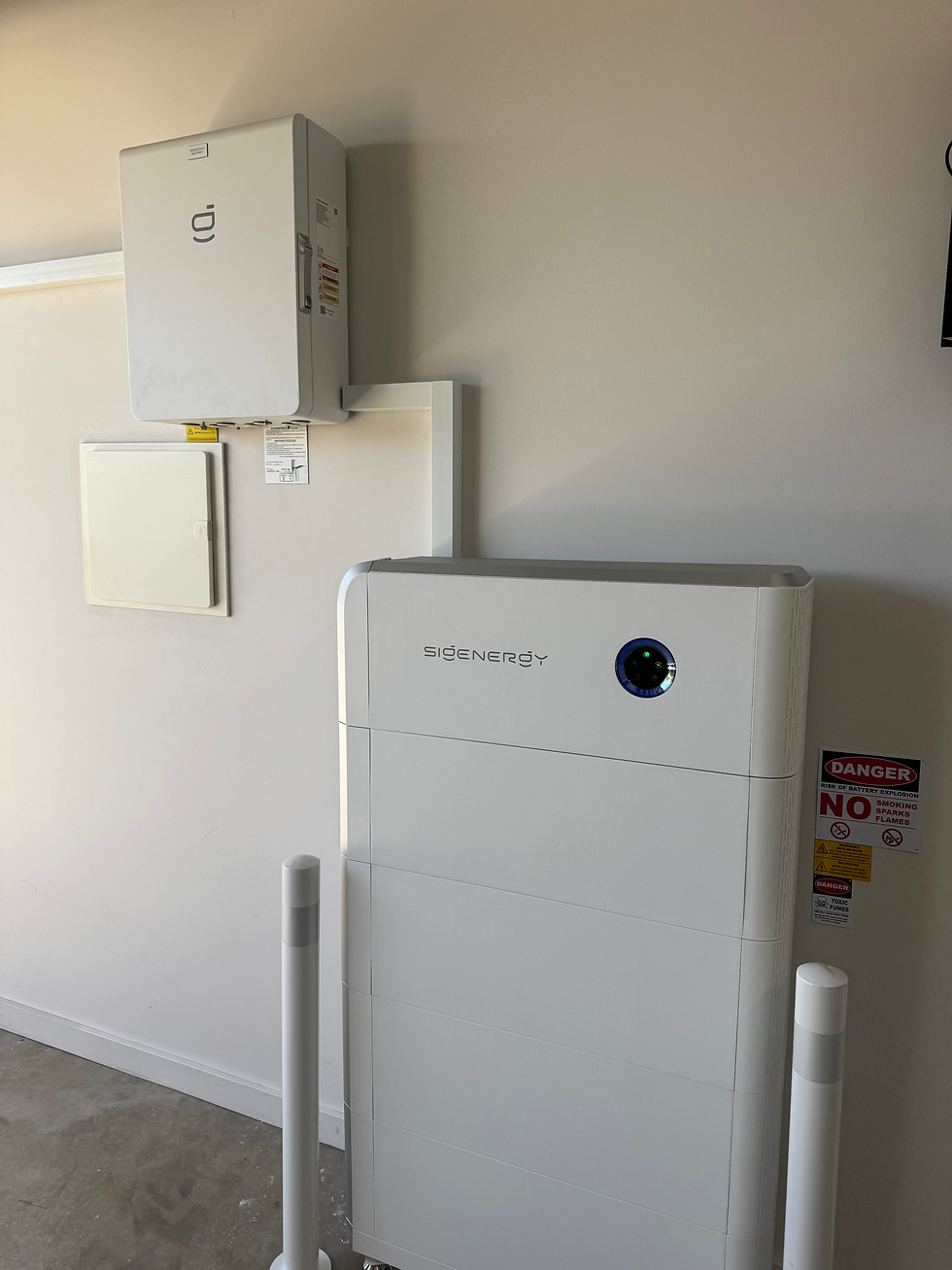
A home battery turns the Solar Sharer window from “handy if you're around” into “free power, banked, every single day — no matter where you are.”
Here's the play: when the free midday window opens, your system draws that cheap grid power straight into the battery, while your solar keeps topping it up. Then, when the sun clocks off and everyone else's solar-only system taps out — right as the grid swings into its most expensive evening peak — your house quietly runs on power you banked for nothing at lunchtime.
That's the whole idea behind our name. Twilight is the part of the day your old solar-only system gave up on — and it's exactly when a battery earns its keep. Reforms like Solar Sharer don't replace the case for a battery. They make it stronger.
Right-sized system + right plan = the winning combination
Here's our honest take, and it's the thing that sets us apart. Plenty of companies will happily sell you the biggest system they can fit and wave goodbye. Very few will sit down and work out whether your system and your energy plan are actually pulling in the same direction. Because that's the real equation:
A right-sized system — enough solar and battery for how your household truly uses energy, not a number plucked to hit a price point.
The right plan — a tariff that rewards how your system behaves: soaking up cheap and free daytime power, then carrying you through the evening peak.
Get one without the other and you leave money on the table. A big battery on the wrong plan underperforms. A perfect plan with no way to store cheap power is just a nicer-looking bill. Solar Sharer has made this pairing matter more than ever — and it's why we've built every quote around both since well before these plans landed. We're a small South Australian team who install the gear ourselves, live under the same tariffs you do, and have already helped around 70 local households get this balance right, entirely on word of mouth.
Thinking about switching?
Before you jump onto a Solar Sharer plan, look at the whole bill — supply charge, peak rates and all — not just the free-power headline. And if you'd like a second opinion from people who do this every day, we're always happy to talk it through. No pressure, no script.
General information only. Based on publicly available details of the Solar Sharer reform as at July 2026. Plan structures, free-window rules and pricing vary by retailer and can change — always check the specifics of your own offer before switching. Sources: SolarQuotes, CHOICE, and the Australian Government (DCCEEW).


Comments